
Funding your wallet with Interac e-Transfer, in CAD
No new payment rails to learn. Top up in Canadian dollars with Interac e-Transfer, then hold your Bitcoin in self-custody. Here's how funding works and what to expect.
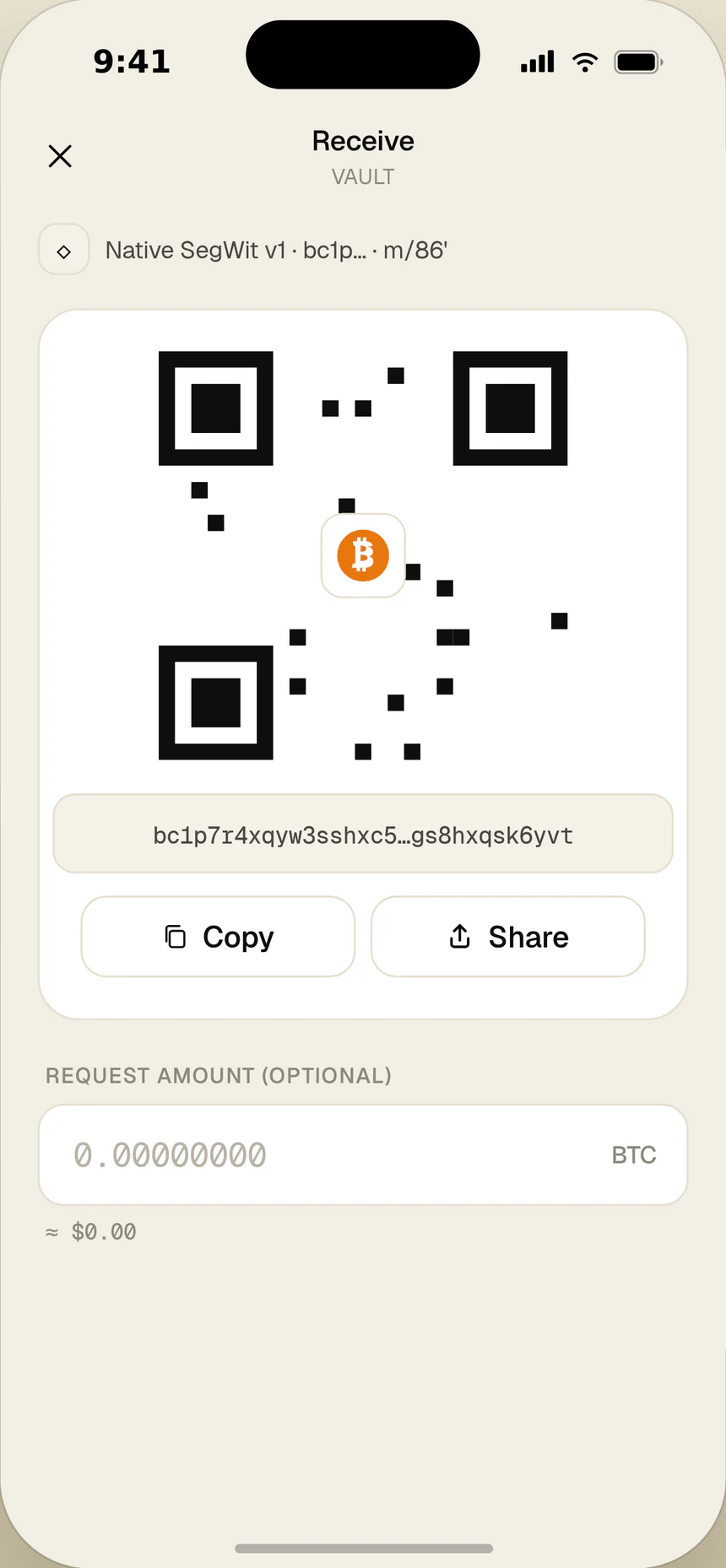
Getting Bitcoin into a self-custody wallet is the step that trips most people up. Unseizable keeps it familiar: you fund in Canadian dollars with Interac e-Transfer — the same tool you already use to pay a friend or split rent.
How funding works
- Send an Interac e-Transfer in CAD from your existing bank — no new payment rail to set up.
- Your balance shows in Canadian dollars alongside BTC and sats, so there's no mental currency math.
- Your keys stay on your device. Funding adds to a wallet you already hold the keys to — it's non-custodial throughout.
A note on verification
We keep identity verification to what Canadian regulation requires, and nothing more. We don't collect what we don't need, and we're a non-custodial wallet — not a bank.
On-chain vs. Lightning, explained simply
Unseizable holds Bitcoin two ways: on-chain and over Lightning. Here's the plain-language difference, when each one fits, and why you don't have to choose.
Why self-custody matters for Canadians
Holding your own Bitcoin keys changes what ownership means. Here's what self-custody is, why it matters in Canada, and the responsibilities that come with holding the keys yourself.
Stop reading. Start holding.
Unseizable is a non-custodial Bitcoin wallet for iOS and Android — on-chain and Lightning, with keys that stay on your device.
Free to download · iOS and Android · App Store and Play Store